Curious about book collecting but unsure where to begin? Start with books you love, learn a few terms such as first printing and condition grades, and buy the best copy you can afford.
Book collecting sits naturally alongside the culture of independent bookshops, where shelves are shaped by people who know their stock.
| Item | Key fact |
|---|---|
| First edition, as collectors see it | The first printing |
| Most common “points” | Typographical errors corrected between printings or midway through the first printing |
| Value gap, Dylan Thomas’s 18 Poems, first v. second issue | $2,000 or more |
| Top condition grade | As New, a perfect copy including jacket |
| Ex-library copies | Must always be described as such |
Figures come from the ILAB article on points and the State Library of Pennsylvania’s collecting guide. Values and conventions can change, so check the sources before you rely on them.
What book collecting really is
At heart, collecting is the habit of gathering books for more than their text. You might chase one author, one subject, one publisher, one illustrator or one era of cover design.
Some people collect for value, but most begin because a particular book made them care about the object itself. That is a perfectly good reason, and it keeps the hobby honest: a collection you enjoy is never a bad purchase.
A collection needs a theme, even a loose one. A theme tells you what to ignore, which saves money and shelf space.
First editions, printings and points
Collectors use “first edition” more narrowly than publishers do. The ILAB, an international body of antiquarian booksellers, quotes Allen and Patricia Ahearn: for a collector, a first printing is the only true first edition (ILAB, Why First Editions).
Publishers may issue several printings under the first edition label, so the distinction matters. A later printing of the same edition is usually worth less.
Older books can be harder to identify, and that is where points come in. The same ILAB piece explains that the most common points are typographical errors that are discovered and corrected between printings or even midway through the first printing (ILAB, First Issue/State and “Points”).
Points can make a real difference to price. The first issue of Dylan Thomas’s 18 Poems has a flat spine, an extra leaf before the title page and a roughly trimmed front edge, and the value gap to the second issue is $2,000 or more, according to that article.
Condition: the biggest driver of a book’s appeal
Two copies of the same book can be very different objects. Booksellers use a shared vocabulary to describe the gap, and learning it helps you read any catalogue.
The State Library of Pennsylvania’s guide lists the grades. Its wording for the top and middle of the scale runs like this:
- As New: perfect in every respect, including the jacket, with no defects, missing pages or library stamps.
- Fine: approaches As New but without being crisp.
- Very Good: a used book with some small signs of wear, but no tears, on binding or paper.
The same guide says that ex-library copies must always be designated as such, no matter what the condition of the book, and the same goes for book club editions. If a description leaves this out, ask the seller.
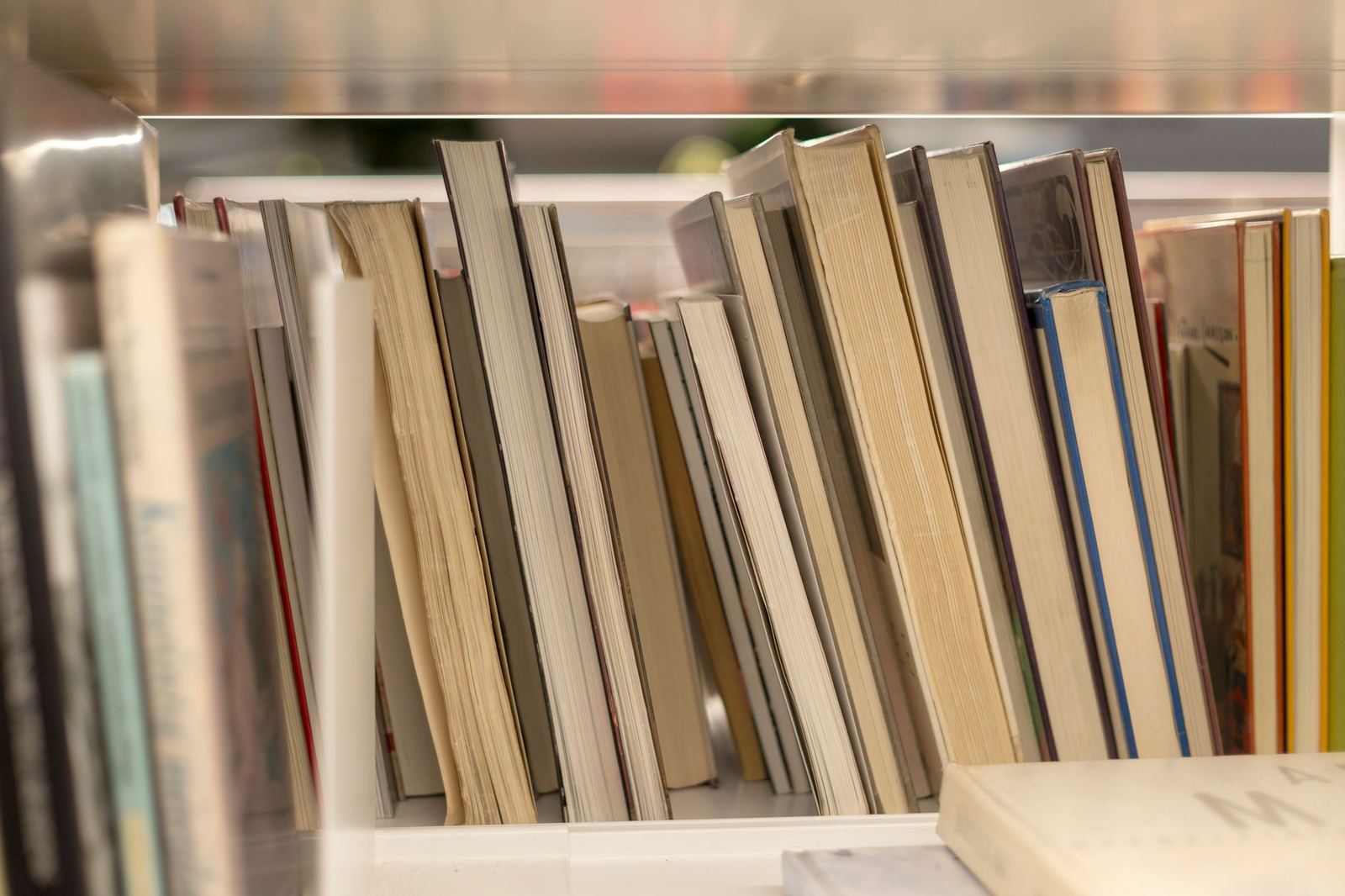
Where to look and how to learn
Shops are the best classroom. Handling books teaches you what catalogue descriptions cannot: the feel of a sound binding, the smell of damp, the look of a faded spine.
If you are new to the hunt, read our notes on how to browse a second hand bookshop before your next visit. Ask booksellers questions; most enjoy talking about their stock.
Useful habits to build early:
- Check the copyright page and any printing statement, then compare it with a reliable reference for that author or publisher.
- Open the book fully and look at the spine, hinges and page edges for damage.
- Note whether a dust jacket is present and whether it matches the book.
- Look for ex-library marks, book club notes, ownership stamps and repairs.
- Compare prices for the same title and condition before you commit.
Choosing what to collect
The strongest collections usually grow from genuine curiosity. Think about what you already reread, what you tell friends about, and which shelves in a shop you drift towards without meaning to.
Common ways to focus a collection include:
- Author: the books of one writer, perhaps starting with a favourite title and working outwards.
- Subject: gardening, polar exploration, local history, cookery or any field you find absorbing.
- Publisher or imprint: a house style, a series design or a distinctive jacket artist.
- Format: small pocket editions, illustrated children’s books or signed copies.
Local interest is a good, underrated choice. Books about your own town or region are often overlooked by big dealers and turn up in independent shops, where the owner may remember where a title came from.
Be wary of buying purely as an investment. Tastes shift, and a book that is fashionable now may sit unsold later, so buy what you would be glad to keep.
Reading descriptions and asking sellers
Whether you are in a shop or reading a listing online, the description is your main evidence. A good one states the edition, printing if known, binding, jacket, and any flaws in plain words.
Do not be shy about asking for more. Reasonable questions include whether the jacket is original to the book, whether pages are clean, and whether the copy has been repaired or restored.
A seller who answers fully and admits flaws is a good sign. Vague language, or an unwillingness to describe condition, is a reason to pause.
Starting small and caring for what you buy
You do not need a large budget. Pick a modest target, such as one author’s collected works or a favourite series in nice reading copies, and build from there. Our guide on how to start a book collection walks through the first steps.
Store books upright on shelves out of direct sun, away from damp and heat. Handle them with clean, dry hands, and do not force a tight spine flat.
Keep a simple list of what you own, what you paid and where you bought it. It helps with insurance, and it stops accidental duplicates.
Above all, remember that value is only one part of the pleasure. Condition and rarity matter, but so does the story a particular copy tells.
Frequently asked questions
Is a first edition always a first printing?
Show answer
Not in publishing terms, since one edition can have several printings. Collectors, however, generally want the first printing, which ILAB quotes as the only true first edition for a collector.
What are points of issue?
Show answer
They are small differences, often corrected typographical errors, that separate early copies of a book from later ones. They are most useful for identifying older books.
Do I need a dust jacket?
Show answer
For many modern books the jacket is part of the appeal, and the top condition grade, As New, requires a perfect jacket if the book was issued with one. A missing jacket should always be disclosed.
Should I buy ex-library copies?
Show answer
They are fine as inexpensive reading copies if you know what you are buying. Sellers must describe them as ex-library, so check the description first.