Worried about a fragile book on your shelf? Here is how to care for old books: keep them away from heat, damp and sunlight, shelve them properly, handle them gently and leave repairs alone.
| Topic | Guidance |
|---|---|
| Where to store | Away from sources of heat and moisture |
| Places to avoid | Attics and garages |
| Small to medium books | Store upright (vertically) |
| Large volumes such as atlases | Store flat (horizontally) |
| Hands | Clean, bare hands are safest for paper |
| Valuable or unique books | Do not attempt to repair them |
These points come from the U.S. National Archives’ guide to preserving books and its rehousing guidance. Guidance can change, so check the sources before you rely on it.
Why old books need different care
An old book is a bundle of paper, glue, thread and cover material that has been ageing for decades. Heat, damp, light and rough handling all speed that up, and most of the damage is slow enough that you only notice it when a spine cracks or a page browns.
The good news is that good habits cost almost nothing. Most of what protects a book is where you put it and how you pick it up.
If you buy your old books from independent bookshops, you can also ask the seller how the copy has been kept. Booksellers handle fragile stock every day and are often happy to talk about condition.
Choose the right place and light
The National Archives advises that you store books away from sources of heat and moisture. It also says to avoid attics and garages, where temperatures can get high and where there can be problems with water or high humidity.
In practice, that gives you a short checklist for choosing a spot:
- Keep books away from radiators, heating vents and fireplaces.
- Avoid rooms with damp walls, leaks or condensation.
- Skip attics and garages entirely.
- Pick an interior room where conditions stay steady.
Sudden swings matter as much as the average. A cool, dry, stable room beats a spot that is warm in summer and damp in winter. Check the shelves now and then for musty smells, damp patches or anything that looks out of place, and move the books if conditions change.
Light can cause book covers to fade, especially the spines of books exposed to sunlight for years, according to the National Archives. Its advice is simple: position bookcases so that sunlight does not fall on books you want to preserve.
If a window is unavoidable, a curtain or blind during bright hours helps. For a special volume, a preservation-quality box protects it from excess light and keeps pieces of a damaged binding together.
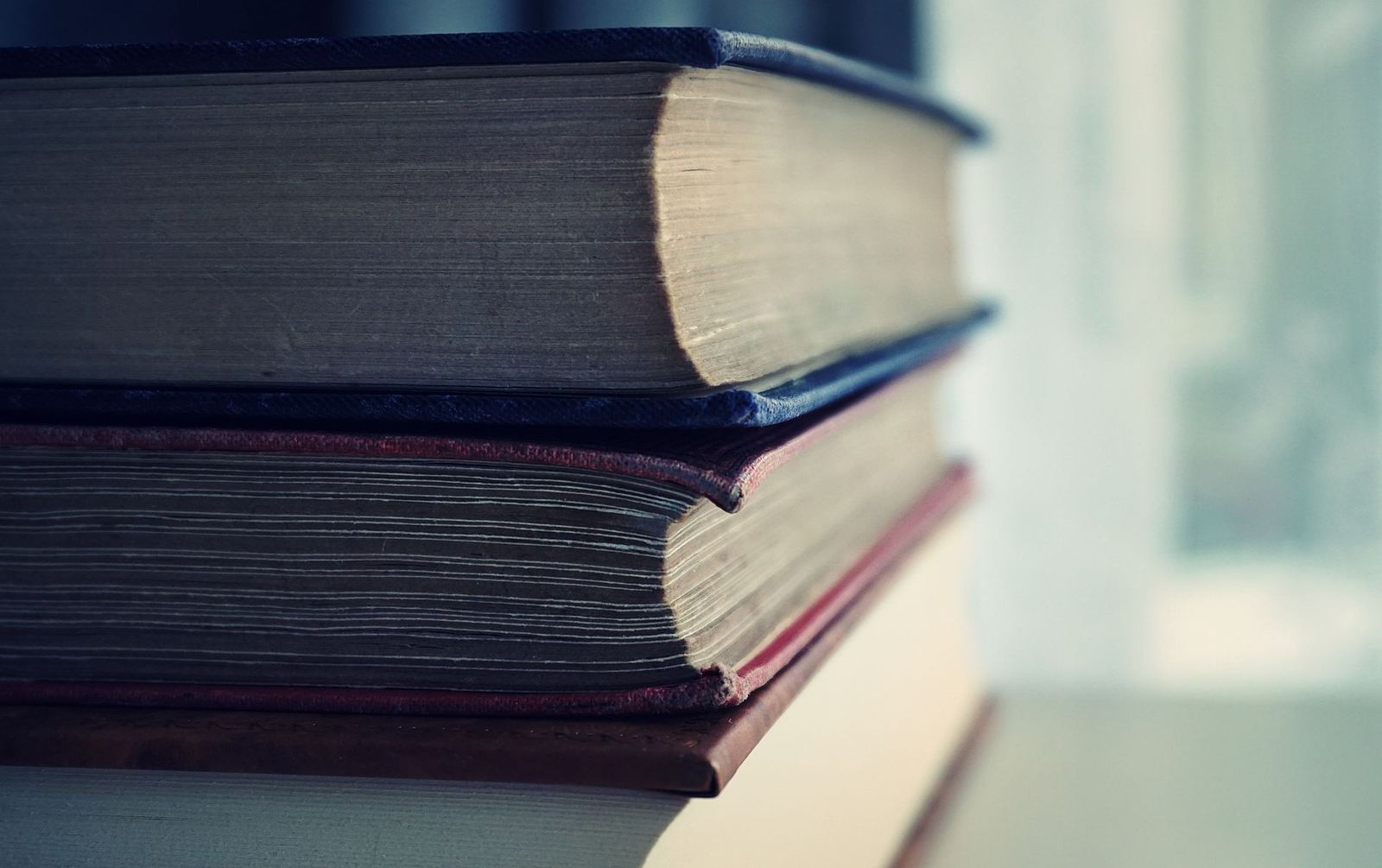
Shelve them so they support each other
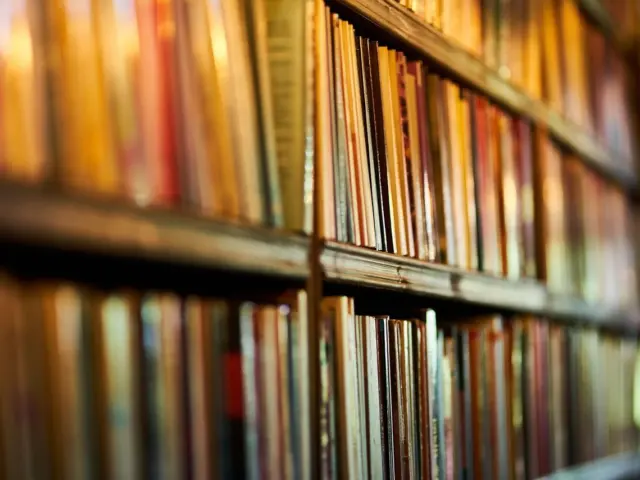
The National Archives recommends shelving volumes of about the same size together so they can support one another. A book that leans into a gap will slowly warp, and its spine can pull away.
- Small to medium books: store them upright (vertically).
- Large volumes, such as atlases: store them flat (horizontally).
- Fit: shelve snugly, but do not cram books in so tightly that you tug on the spine to remove them.
Lying a big, heavy book on its side keeps the covers flat and the text from separating from the covers, as the same guide explains.
Handle old books gently
The National Archives says to handle books gently to avoid separating covers and spine pieces from the binding. It also warns: do not force books to open flat to get the “best” copy.
Clean hands matter more than gloves. The Archives states that handling with clean, bare hands is safest for textual records, and that gloves can catch on paper records and reduce dexterity. It adds that you should wash your hands before and after handling records and whenever they become soiled.
A few everyday habits help:
- Wash and dry your hands before you pick up the book.
- Support the spine and covers with both hands, and open the book only as far as it goes comfortably.
- Take it off the shelf by holding the middle of the spine, not by hooking the top edge.
- Put it down on a clean, flat surface, away from food and drink.
Repairs: when to leave it alone
It is tempting to tape a loose page or glue a loose cover. The National Archives advises against it: do not attempt to repair books that are unique or that you wish to pass on to future generations.
Its alternative is to simply box a damaged book, store it flat and handle the volume very carefully. A box keeps loose pieces together until a professional conservator can look at it.
This matters most for books with possible value. If you are wondering whether your copy is something special, read about how to identify a first edition before you do anything to it, because well-meant fixes can reduce a collectable book’s worth.
A simple routine and mistakes to avoid
You do not need special equipment to look after a shelf of old books. A short, regular routine covers most of what the National Archives guidance recommends, and it takes only a few minutes each season.
- Look at the room: is anything near the books giving off heat, or letting in water?
- Look at the light: has the sun moved across the shelf as the seasons changed?
- Look at the shelving: are books leaning, bowed or squeezed too tightly?
- Look at the books: note any loose covers, cracked spines or detached pieces.
When you find a loose cover or a cracked hinge, resist the urge to fix it straight away. Set the book aside in a box, lying flat, and decide later whether it deserves professional attention.
Keep the book away from food, drink, pets and children’s sticky fingers while it waits. A damaged binding is far more likely to get worse from knocks than from sitting quietly in a box.
Many problems with old books come from habits that feel harmless. Most are covered by the same few rules from the guidance above.
- Pulling a book out by the top of its spine instead of supporting it properly.
- Pressing a book flat on a copier or scanner, which breaks the hinge.
- Leaving a favourite book on a sunny windowsill or near a radiator.
- Stacking heavy books on top of a fragile one.
- Repairing a rare book with household tape or glue.
Each of these is easy to avoid once you know about it. If you are unsure, the safest choice is usually to do less: leave the book alone, box it and ask a conservator or a bookseller you trust.
Books last longest when they are looked after by people who value them. Buying and passing on well-kept secondhand books is one way to do that, and it is part of why support independent bookshops matters to many readers.
Whatever you own, a little attention now is much easier than fixing damage later.
Frequently asked questions
Should I wear gloves to handle old books?
Show answer
For paper books, usually not. The National Archives says clean, bare hands are safest for textual records because gloves can catch on paper and reduce dexterity.
Should I store old books upright or flat?
Show answer
Small to medium books can stand upright, supported by neighbours of similar size. Large volumes such as atlases are better stored flat.
Where is the worst place to keep old books?
Show answer
Attics and garages, where temperatures can get high and where water or high humidity can be a problem, according to the National Archives.
Can I repair a torn old book myself?
Show answer
If the book is unique or one you want to pass on, the National Archives advises against it. Box the book, store it flat and handle it very carefully.