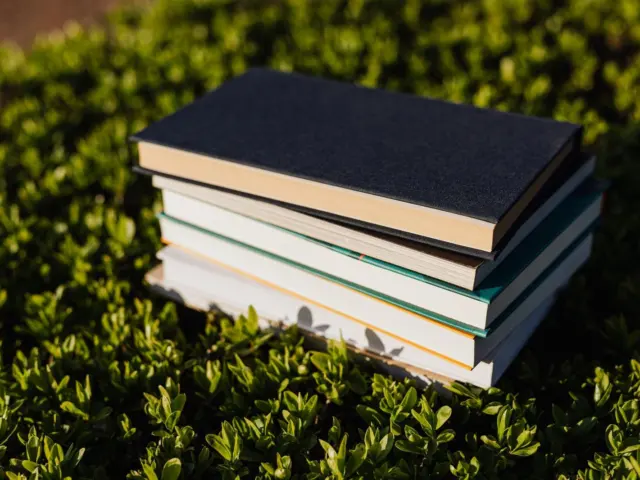
You want a list that gets you reading, not one that makes you feel behind. Here is how to make a reading list: start small, mix the heavy with the easy, and let it change.
This guide is part of our wider set of reading lists advice.
| Measure | Value |
|---|---|
| Median books read by all US adults in the past year (Pew, 2013 survey) | 5 books |
| Mean books read by all US adults (Pew, 2013 survey) | 12 books |
| Median among adults who read at least one book | 7 books |
| Mean among adults who read at least one book | 16 books |
| Share of readers who used all three formats (print, e-book, audio) | 9 percent |
These figures come from Pew Research Center’s 2013 reading snapshot. Reading habits shift over time, so check the source before you rely on the numbers.
Start with a realistic number
Most lists fail because they are too long, not because the reader is lazy. Pew’s 2013 survey found the median American adult read five books in the past year, with about half reading more and about half fewer.
The mean was higher because a small group of heavy readers pulls the average up. So a list sized for a bookworm may be wildly out of reach for a busy month.
Pick a number you can beat. Finishing early feels good, and you can always add titles.
Decide what the list is for
A list needs a purpose, or it turns into a pile of guilt. Ask what you want from your reading right now.
- Pleasure: books you are looking forward to, nothing else.
- Learning: a subject you want to understand, such as a period of history or a craft.
- Catching up: famous books you feel you should have read, such as the best classic novels to read.
- Exploring: authors, countries or genres you have never tried.
One purpose per list works best. If you have several goals, make several short lists rather than one long one.
Where to find books worth adding
Good lists come from people and places you trust, not from algorithms alone. Independent bookshops are an obvious start, since booksellers read widely and will happily argue about what you should try next.
- Ask a bookseller for the book they press into people’s hands.
- Check the shelf-talkers, the little handwritten recommendation cards.
- Follow one author’s recommendations or the books they cite.
- Browse a library display, where borrowing costs nothing.
- Note books friends mention with real enthusiasm.
Keep a running “maybe” note on your phone or in a notebook. Only promote a title to the real list when you still want it a few weeks later.

Balance the list so you keep going
A list of only dense, difficult books stalls fast. Mix the weight so there is always something you can pick up on a tired evening.
A simple pattern is to alternate a demanding book with a lighter one. Add a short book, a novella or a collection of essays, so you get the satisfaction of finishing.
Also think about format. Pew found only nine percent of readers used print, e-books and audiobooks all together, so there is room to borrow an audiobook for the commute and keep print for the evening.
Make the list easy to follow
Keep the active list short, with a handful of titles you could start tomorrow. Everything else lives on a separate wish list.
- Order books by mood, not by obligation.
- Write one line on why each book is there.
- Leave a blank slot for a spontaneous pick.
- Tie reading to a daily moment, which fits the advice on reading habits.
Whether you use a notebook, a spreadsheet or an app matters less than seeing the list often. Put it where you will notice it.
A worked example
Say you want a list for the colder months, and you read mostly in the evening. You might choose a short literary novel, a long-promised classic, a nonfiction book on a subject you keep meaning to learn, and a comfort re-read.
Write them in the order you feel like reading them, not the order you think is virtuous. Add a reserve title for the day one of them does not grab you.
- Anchor book: the one you are most excited about, read first to build momentum.
- Stretch book: the challenging one, paired with something light.
- Reserve book: a swap-in if you stall.
- Wild card: whatever a bookseller or friend hands you.
This structure gives you a plan without a cage. You always have a next step, and you are never forced through a book you resent.
Common mistakes to avoid
Most reading lists go wrong in predictable ways. Spotting them early saves you the slump that follows.
- Copying someone else’s list. A famous list reflects another person’s taste and free time.
- Listing only long books. A pile of doorstoppers makes starting feel heavy.
- Never removing anything. A list that only grows becomes a source of guilt.
- Ignoring your mood. Forcing a grim book in a hard week often ends with no reading at all.
The fix is the same each time: make the list smaller, more personal and easier to change. If it feels like homework, shorten it.
Fit reading into the time you have
A list only works if it fits your days. Look at when you already sit still, such as the commute, the lunch break or the last half hour before bed, and attach one book to that slot.
Short sessions add up. A book you read a little at a time still gets finished, and a library loan with a due date can give you a gentle push.
If a week goes badly, do not try to make up the lost pages. Pick the book back up where you left it and carry on.
Some readers like a visible record, such as ticking titles off or jotting a sentence about each finished book. That small ritual makes the list feel like progress rather than a debt, and it gives you ideas for what to read next.
Review and let go
Treat the list as a tool you can change. Once a month, look at what you have read and what you keep skipping.
If you keep avoiding a title, you have permission to drop it. Giving up on a book that is not working is not failure, it makes room for one you will enjoy.
Then add new books from what you have just enjoyed. A good list grows out of your reading, not out of someone else’s idea of it.
Frequently asked questions
How many books should be on a reading list?
Show answer
Keep the active list to a handful of books you could start soon. A longer wish list is fine, as long as you do not treat it as a promise.
Should I include books I feel I ought to read?
Show answer
A few, if you are curious about them. Fill the rest with books you want to read, because enthusiasm is what gets you to the last page.
Is it okay to abandon a book on my list?
Show answer
Yes. Drop it, note why, and move on. Your time is better spent on a book you will finish.
Do audiobooks count?
Show answer
Yes. Pew’s survey counted books read or listened to, so audio sits comfortably on a list alongside print and e-books.